
Python for Data Science: Where to Start

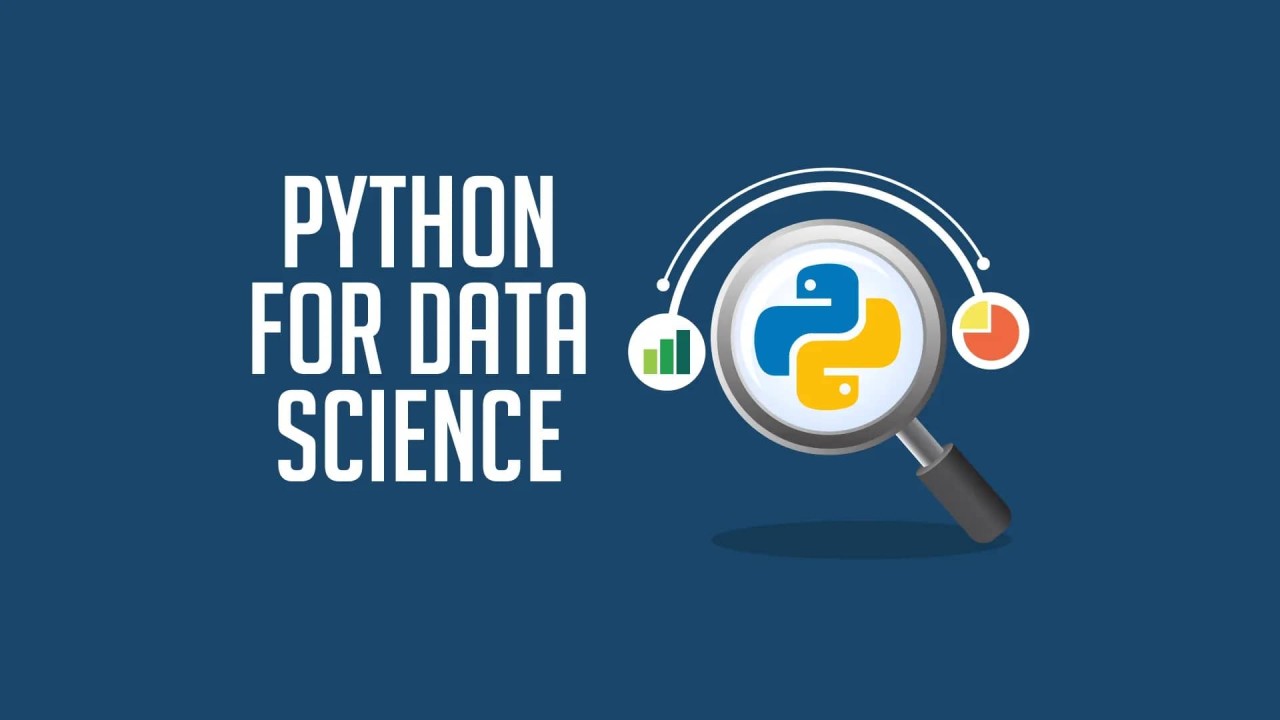
If you want to begin a career in the world of data, then Python for Data Science is the best place to start. It’s simple, flexible, and powerful, making it perfect for beginners. In this article, we’ll break down how you can start your journey using Python for Data Science and why it’s the go-to choice for many data professionals.
Whether you are a student, working professional, or complete beginner, this guide will give you all the tools and direction you need. And if you’re serious about mastering the language, check out our complete Python Programming Mastery course. It’s designed for beginners who want real-world skills fast.
Why Choose Python for Data Science?
Python for Data Science is popular because it’s readable, beginner-friendly, and supported by a large community. It works with tons of data science libraries such as NumPy, Pandas, Matplotlib, Scikit-learn, and TensorFlow.
To get a clear understanding of the basics, you can start with our article: What Is Python? A Beginner’s Guide. It gives a strong foundation that’ll help you move forward in your data science journey.
Step-by-Step: Start with Python for Data Science
1. Install Python and Set Up Your Environment
Before doing anything else, install Python. Follow our step-by-step tutorial here: How to Install Python Step-by-Step. You’ll learn how to set up Python on your system along with Jupyter Notebook — the most-used tool for data science.
Once installed, start learning basic syntax, data types, variables, and loops.
2. Learn Data Handling with Pandas and NumPy
The next step in using Python for Data Science is understanding how to handle and clean data. Python libraries like Pandas and NumPy are essential. They help you work with rows, columns, and numerical data easily.
Once you grasp these basics, move on to plotting data using libraries like Matplotlib and Seaborn.
3. Start Practicing with Beginner Projects
Learning theory isn’t enough. Build real projects to master Python for Data Science. We’ve listed some exciting beginner-level projects in this post: Python Projects for Beginners in 2025. These projects help you apply your skills, like analyzing weather data or predicting student scores.
Projects will also improve your resume and confidence.
4. Learn the Difference Between Python and Other Languages
Some beginners get confused about whether they should choose Python or JavaScript. If you’re facing this question, read our comparison here: Python vs JavaScript: Which to Learn?. It clears up doubts and helps you make an informed decision.
For data science, Python remains the top choice.
5. Get Hands-On with Data Science Tools
Once you’re comfortable with basic Python, start using tools like:
- Jupyter Notebook – To write and visualize code.
- Pandas – For data analysis.
- Matplotlib & Seaborn – For data visualization.
- Scikit-learn – For machine learning.
As your skills grow, you can explore advanced tools like TensorFlow or PyTorch for deep learning.
Career Benefits of Learning Python for Data Science
Python for Data Science opens many doors. You can become a:
- Data Analyst
- Machine Learning Engineer
- Data Scientist
- AI Developer
- Business Intelligence Analyst
Companies across the world are looking for people who can work with data. If you master Python for Data Science, you’ll always be in demand.
You can fast-track your learning with our industry-proven Python Programming Mastery course. It covers the exact skills companies want and is suitable for both beginners and intermediate learners.
Common Questions About Python for Data Science
Is Python the only language for Data Science?
No, but it’s the most used because of its simplicity and rich ecosystem. R is another language used, but Python is easier to learn and more versatile.
Do I need a computer science degree?
Not at all. Many successful data professionals are self-taught. With the right guidance, like the Python Programming Mastery course, you can learn from scratch.
Final Thoughts
Starting with Python for Data Science is one of the smartest decisions you can make today. It’s beginner-friendly, widely used in the industry, and offers endless career opportunities.
From setting up Python to working with real projects, everything starts with small steps. Take your first one today by joining our Python Programming Mastery course. It’s built to take you from a complete beginner to job-ready, even if you’ve never coded before.
Also, don’t forget to explore:
- What Is Python? A Beginner’s Guide
- How to Install Python Step-by-Step
- Python vs JavaScript: Which to Learn?
- Python Projects for Beginners in 2025
Stay consistent, keep building, and Python for Data Science will lead you to a successful and future-proof career.

 Subscription
 Performance Subscription
 Premium Subscription
 Base Subscription
 Furniture
 Bed
Bed Kitchen
 Almirah and Wardrobe
 LCD Cabinet
 Verified Partner
 Earn Money
 AI & Data Science
 Business & Startup
 Cybersecurity & Cloud
 E-commerce & Sales
 Marketing & Growth
 Web/App Development
 AI Digital Marketing
 Certificate Assessment Test
 Register for Learning