
How to Use Loops in Python Easily

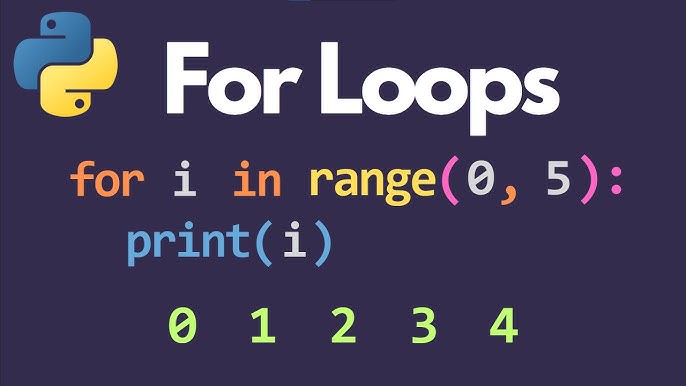
How to Use Loops in Python Easily is a skill every beginner needs to learn. If you’re just starting your journey into coding, understanding loops will make your Python skills strong and effective. Whether you want to automate tasks, repeat actions, or create smart solutions, learning loops is the first big step. This is exactly what we teach in our Python Programming Mastery course, designed for complete beginners who want to become confident programmers.
What Are Loops in Python?
A loop is a way to repeat a block of code multiple times. You can think of it like telling the computer, “Do this again and again.” Python supports two main types of loops: for loops and while loops. Once you learn how to use loops in Python easily, you can write shorter and smarter code instead of repeating the same line many times.
Why Are Loops So Important?
When you’re working on real-world projects like the ones in our article on Python Projects for Beginners in 2025, loops make your code efficient. They help:
- Save time
- Reduce code length
- Handle large amounts of data
- Automate boring tasks
Once you know how to use loops in Python easily, you’ll be surprised how much time they save.
The for Loop – Best for Repeating Tasks
If you have a list or a set of numbers and you want to go through each one, use a for loop.
pythonCopyEditfor i in range(5):
    print("Hello!")
This code will print “Hello!” five times. You’ll explore more such examples in our Python Programming Mastery course, which is ideal for beginners who want to code with confidence.
We recommend starting with our foundational guide:
➡️ What Is Python? A Beginner’s Guide
The while Loop – When the End Isn’t Clear
A while loop keeps running as long as a condition is true.
pythonCopyEditcount = 0
while count < 5:
    print("Counting:", count)
    count += 1
This loop will print numbers 0 to 4. Understanding how to use loops in Python easily makes even such logic simple.
If you’re new to Python, don’t forget to check this guide first:
➡️ How to Install Python Step-by-Step
Real-World Use of Loops
Let’s say you want to process 100 names in a list, check email IDs, or build a calculator. You’ll need loops. That’s why in our article Python for Data Science: Where to Start, loops play a major role in reading and processing data.
If you’re unsure whether Python is the right language, compare it here:
➡️ Python vs JavaScript: Which to Learn?
Common Mistakes with Loops (And How to Avoid Them)
- Forgetting to update the counter in a
whileloop, which leads to an infinite loop. - Misusing the
range()function, causing off-by-one errors. - Not understanding the difference between
forandwhileloops.
All of these are explained clearly with examples inside our Python Programming Mastery course, where you also build hands-on projects using loops.
Learn by Doing — Our Approach to Loops
At Bukkry, we don’t just teach theory. Our learners practice loops in real Python projects. We’ve crafted each lesson so that you:
- Understand the syntax
- Know when and where to use loops
- Avoid common errors
- Build confidence by building things
Check out:
➡️ Python Projects for Beginners in 2025
Final Words: Learn How to Use Loops in Python Easily Today
If you truly want to learn how to use loops in Python easily, start with clear fundamentals and build real projects. Our Python Programming Mastery course gives you everything you need — from absolute basics to advanced usage of loops and beyond.
By joining the course, you’ll:
- Understand loops deeply
- Build working projects
- Get confident with real Python code
- Prepare for data science, automation, and app development

 Subscription
 Performance Subscription
 Premium Subscription
 Base Subscription
 Furniture
 Bed
Bed Kitchen
 Almirah and Wardrobe
 LCD Cabinet
 Verified Partner
 Earn Money
 AI & Data Science
 Business & Startup
 Cybersecurity & Cloud
 E-commerce & Sales
 Marketing & Growth
 Web/App Development
 AI Digital Marketing
 Certificate Assessment Test

 Register for Learning