
Anatomy of a Perfectly Optimized Web Page P -7

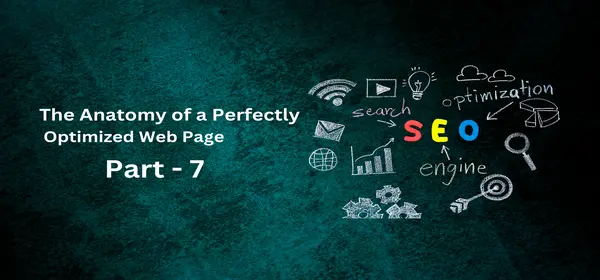
Building a web page that performs well on search engines is not just about good content—it’s about optimizing every component. This article explores “The Anatomy of a Perfectly Optimized Web Page”, breaking it down step-by-step.
The Anatomy of a Perfectly Optimized Web Page
Creating a web page that performs well in search engine results requires a combination of content, design, and technical components. “The Anatomy of a Perfectly Optimized Web Page” goes beyond good writing; it involves a meticulous approach to on-page SEO, metadata, content structure, and more. In this guide, we’ll break down each essential element of optimization for creating a page that ranks, engages, and converts.
Web Page Optimization: A Must for SEO Success
Proper web page optimization is crucial for both search engines and users. It ensures that search engines can crawl and index your content effectively, while also delivering a smooth, user-friendly experience. By focusing on the key elements of web optimization, you can significantly improve your chances of ranking higher on search engines like Google.
Perfect Web Page Anatomy: Essential Components
A perfect web page anatomy includes several critical elements that work together to enhance your site’s performance. Let’s break them down.
Metadata Optimization Strategies
Metadata, including title tags and meta descriptions, plays an essential role in both SEO and user experience. For example, your page’s title should contain primary keywords like “The Anatomy of a Perfectly Optimized Web Page”, and your meta description should provide a concise summary of the content, enticing users to click through. Ensure each page has unique metadata that highlights the main topic, encourages engagement, and aligns with user search intent.
Content Optimization Tips
Content is king, but optimized content is the real star of the show. To achieve content optimization:
- Use focus keywords naturally within your headings (H1, H2, and H3 tags), especially in the “Perfect Web Page Anatomy” section.
- Ensure that your content is comprehensive, informative, and addresses the target audience’s needs. You should also aim for at least 300 words of quality content to improve SEO performance.
On-Page SEO Essentials
On-page SEO is about optimizing individual page elements, making it easier for search engines to understand your content.
- Use primary and secondary keywords in your H1, H2, and H3 tags, without overstuffing.
- Incorporate keyword-rich anchor text for internal linking, helping both users and search engines navigate your website more efficiently.
The Anatomy of a Perfectly Optimized Web Page
Key Elements of Web Optimization
Here are the key elements that must be optimized on any web page:
- SEO-Friendly URL Structure: Your URLs should be clean, descriptive, and contain relevant keywords. For example, a page about web page optimization might have a URL like “www.yoursite.com/perfect-web-page-optimization.”
- Mobile-Friendly Web Page Design: With mobile-first indexing, ensuring your web page design is responsive is a must. Google’s algorithms prioritize mobile-friendly websites in rankings, and users expect seamless experiences on mobile devices.
- Fast-Loading Web Pages: Page load speed is a critical factor in both user experience and SEO. Compress images, minimize HTTP requests, and implement caching to ensure your page loads quickly.
Short Guide to On-Page SEO Essentials
Keyword Placement Tips
To achieve optimal keyword placement:
- Include your target keyword in the first 100 words of the content.
- Use secondary keywords naturally throughout the body of the content.
- Ensure keywords are included in subheadings (H2, H3), like “Perfect Web Page Anatomy” or “Web Page Optimization.”
Internal Linking Strategy
Effective internal linking is a cornerstone of a well-optimized web page. Linking to other relevant pages within your site helps distribute link equity and enhances the user experience. For instance, a blog post about “Content Optimization Tips” could link to another article on SEO best practices.
HTML Optimization Guide
Optimizing your HTML code is essential for both usability and SEO. This includes:
- Proper use of header tags (H1, H2, H3) to structure your content logically.
- Using descriptive alt text for images, ensuring that search engines can properly index them.
Technical SEO Checklist for a Perfect Web Page
Technical SEO focuses on optimizing your site’s infrastructure to ensure smooth crawling and indexing. Here are the most important aspects:
Structured Data for SEO
Using schema markup enhances the visibility of your web pages in search engine results. Structured data helps search engines understand your content better, allowing it to display rich snippets like star ratings, pricing, and event details.
Web Analytics Integration
Integrating web analytics tools like Google Analytics helps track user behavior and measure the success of your optimization efforts. It’s essential for identifying areas of improvement.
Mobile-Friendly Web Page Design
A mobile-first approach ensures that your web pages look and function well on any device, which is crucial for both SEO and user engagement.
SEO-Friendly Web Design and Content
Image Optimization for SEO
Images play an essential role in user engagement, but they can also slow down your website if not optimized. Ensure that your images are compressed for faster load times and have descriptive alt text that includes your focus keywords.
Best Practices for User Experience (UX)
User experience impacts both your rankings and user retention. Ensure that your website is easy to navigate, loads quickly, and is visually appealing. Optimizing for UX can reduce bounce rates and increase conversion rates.
Call-to-Action Optimization
Effective calls to action (CTAs) guide users toward conversion goals. Place CTAs in prominent locations and ensure they are actionable, such as “Learn More” or “Contact Us Today.”
Conclusion
Mastering “The Anatomy of a Perfectly Optimized Web Page” is essential for improving rankings, user engagement, and conversions. Combining content optimization, technical SEO, and a user-focused approach ensures your web pages stand out in search engine results. By focusing on web page optimization and continually refining your on-page SEO, you’re setting your site up for success.
Ready to optimize your web pages? Apply Here to learn more about advanced SEO strategies!



 Subscription
 Performance Subscription
 Premium Subscription
 Base Subscription
 Furniture
 Bed
Bed Kitchen
 Almirah and Wardrobe
 LCD Cabinet
 Verified Partner
 Earn Money
 AI & Data Science
 Business & Startup
 Cybersecurity & Cloud
 E-commerce & Sales
 Marketing & Growth
 Web/App Development
 AI Digital Marketing
 Certificate Assessment Test

 Register for Learning