
Phishing Attacks: How to Avoid Them

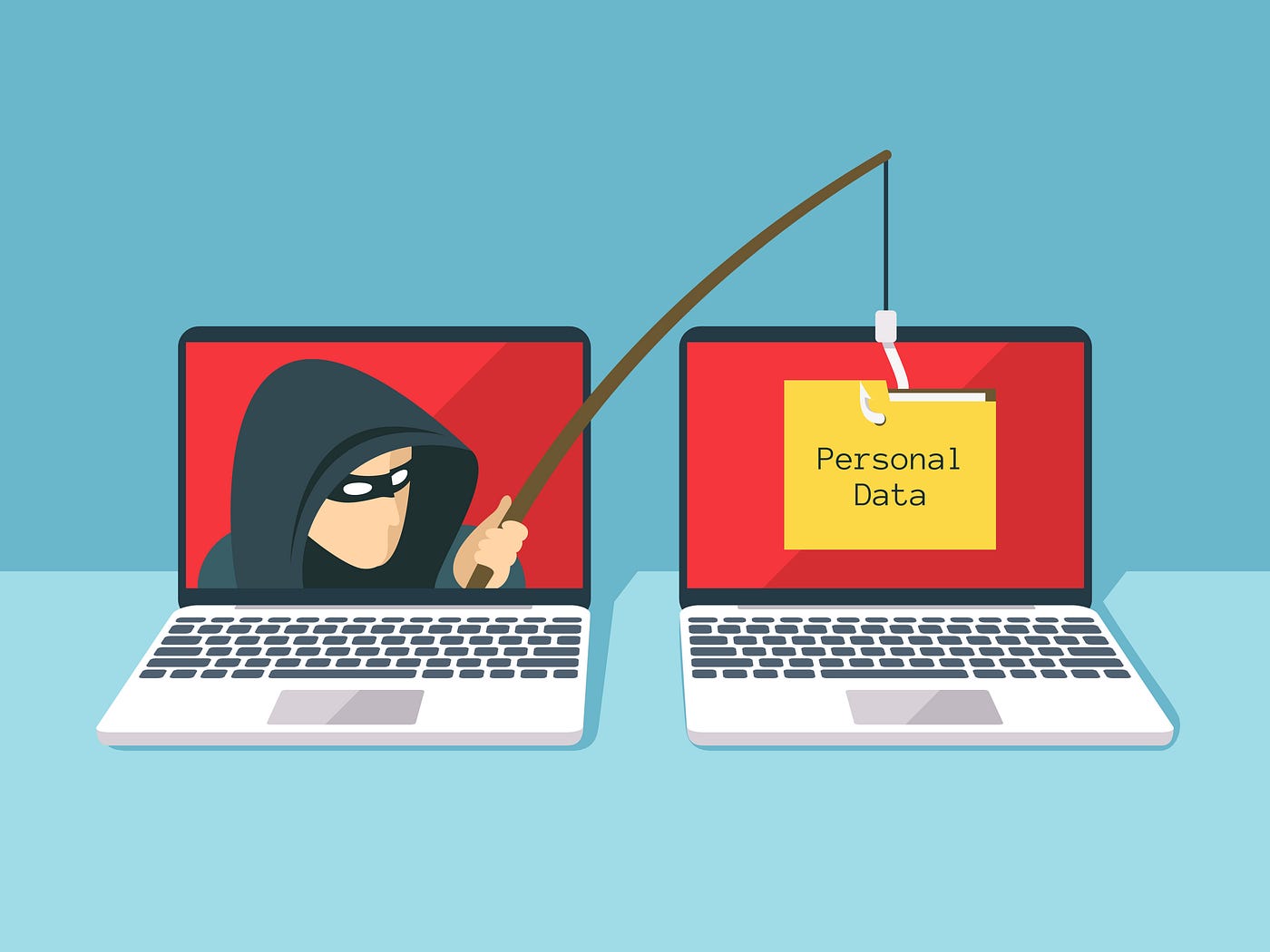
Phishing attacks: how to avoid them is one of the first lessons you must master to stay safe online. Every year, millions of people fall victim to phishing scams that steal their passwords, bank information, or identity. The good news? You can stop them — with the right awareness and training.
One of the most effective ways to learn how to avoid phishing attacks is through a cybersecurity course like CyberShield Mastery, which walks you through real-world phishing examples, tools, and defensive strategies.
What Are Phishing Attacks?
Phishing is when a scammer pretends to be someone you trust — like your bank, your boss, or even a service like Amazon — to trick you into giving away personal data.
Understanding phishing attacks: how to avoid them starts with recognizing that these threats often come via email, text message, or fake websites.
We discuss the psychology behind these attacks in What Is Cybersecurity and Why It Matters, a must-read before diving into phishing prevention.
Common Signs of a Phishing Attack
To understand phishing attacks: how to avoid them, you need to spot red flags, such as:
- Spelling or grammar errors in emails
- Urgent or threatening language (“Your account will be closed!”)
- Suspicious links or attachments
- Requests for personal information or login credentials
Our blog How to Stay Safe from Online Scams shares practical examples of what phishing emails look like — and how to respond.
Email Spoofing: A Serious Threat
A big part of phishing attacks: how to avoid them is understanding spoofed emails. These appear to come from real email addresses (like support@yourbank.com) but are actually fake.
In the CyberShield Mastery Course, you’ll learn how to check email headers, verify sender authenticity, and use tools to filter spam before it reaches your inbox.
Don’t Click Suspicious Links
The golden rule of phishing attacks: how to avoid them — don’t click anything unless you’re 100% sure it’s safe. Phishing links often take you to fake websites that look real, just to steal your data.
Our Top Cyber Threats You Must Know article breaks down how attackers use deceptive links and clone login pages.
Use 2FA to Limit the Damage
If you do fall for a phishing scam, having 2FA (Two-Factor Authentication) enabled can stop attackers from logging into your account.
That’s why the CyberShield Mastery cybersecurity course emphasizes enabling 2FA across all major platforms like Google, Facebook, and banking apps.
Avoid Public Wi-Fi for Sensitive Logins
Phishing isn’t limited to emails. Hackers often run fake Wi-Fi networks to capture login info in public places.
Understanding phishing attacks: how to avoid them includes using VPNs when accessing sensitive accounts — something taught step-by-step in our CyberShield Mastery Course).
Use Browser Safety Tools
Modern browsers can detect phishing websites — but only if they’re up to date.
To master phishing attacks: how to avoid them, update your browser regularly and install trusted security extensions. These tools are covered in the beginner section of CyberShield.
Back Up Your Data
If a phishing attack leads to malware or ransomware, backups can save your personal files.
Backing up your data is one of the fundamental steps in learning how to protect your personal data online — explored deeply in How to Protect Your Personal Data Online.
What to Do If You’re Phished
If you realize you’ve been phished:
- Change your passwords immediately
- Enable 2FA if you haven’t already
- Notify your bank or relevant platforms
- Scan your device for malware
- Report the phishing attempt
These steps are part of a response module taught in CyberShield, so you’re always prepared.
Learn to Protect Yourself
Want to truly understand phishing attacks: how to avoid them? You need more than theory — you need practice. The CyberShield Mastery Course offers:
- Real phishing email examples
- Guided simulations of fake login pages
- Scam recognition quizzes
- Tools to scan and report phishing
This is the course designed for complete beginners who want to become confident online.

 Subscription
 Performance Subscription
 Premium Subscription
 Base Subscription
 Furniture
 Bed
Bed Kitchen
 Almirah and Wardrobe
 LCD Cabinet
 Verified Partner
 Earn Money
 AI & Data Science
 Business & Startup
 Cybersecurity & Cloud
 E-commerce & Sales
 Marketing & Growth
 Web/App Development
 AI Digital Marketing
 Certificate Assessment Test

 Register for Learning