
How to Write a Strong Introduction


Knowing how to write a strong introduction is crucial for anyone involved in writing—whether it’s for blogs, social media, SEO, or professional communication. An engaging introduction not only grabs the reader’s attention but also encourages them to keep reading, boosting your overall content performance.
Why the Introduction Matters
Before diving into the SEO content writing strategy behind crafting an intro, understand this: your introduction is the gateway to your content. If it fails, the rest of your content might go unnoticed.
| Weak Introduction | Strong Introduction |
|---|---|
| Boring and vague | Captivates the reader |
| No hook or purpose | Clearly states what to expect |
| Makes reader bounce off | Encourages reader to scroll further |
Think of your introduction as your first impression—whether you’re writing a blog post that ranks or drafting social media content.
Main Goals of a Strong Introduction
A powerful introduction should always aim to:
- Grab attention
- Set clear expectations
- Create curiosity
This sets the tone for high-quality content writing.
Flowchart: How to Write a Strong Introduction
Start with a Hook
     ↓
Mention the Problem or Need
     ↓
Introduce the Topic or Main Idea
     ↓
Give a Brief Overview of What’s Coming
     ↓
Transition into the Body Content
Mastering this flow is essential for beginner writers and professionals alike.
Types of Hooks to Start With
| Type of Hook | Example |
|---|---|
| Question | “Have you ever struggled to write introductions that work?” |
| Bold Statement | “Most blog posts fail in the first 5 seconds.” |
| Fact or Statistic | “80% of readers never scroll past the first paragraph.” |
| Story or Anecdote | “In my early days as a writer, I lost readers because I ignored the introduction.” |
Good hooks are especially critical for SEO-focused content, where user retention is key.
Example: Weak vs Strong Introduction
❌ Weak Introduction:
“This article is about writing introductions.”
✅ Strong Introduction:
“Your introduction is the first and last chance to grab your reader’s attention. Get it wrong, and they’ll scroll away. In this article, you’ll learn how to craft introductions that pull readers in.”
Use this approach when crafting blog content that ranks on Google.
Tips to Write a Powerful Introduction
- Keep it short – Avoid long paragraphs.
- Avoid fluff – Skip unnecessary statements.
- Use direct language – Be clear and bold.
- Speak to the reader – Use “you.”
- Evoke emotion – Make it relatable.
- Set the tone – Align with your content type.
- Avoid clichés – Generic introductions kill interest.
These tips also apply when writing content for social media platforms where grabbing attention instantly is critical.
Template for Writing Introductions
Here’s a reusable format:
- Hook – Start with a question, stat, or story.
- Problem – What does your reader face?
- Promise – What’s in it for them?
- Transition – Guide them to the next section.
Different Intros for Different Content
| Content Type | Introduction Style |
|---|---|
| Blog Post | Hook + Problem + Promise |
| Social Media | Punchy + Value-driven |
| Personal + Benefit-focused | |
| YouTube | Tease + Intrigue |
| Newsletter | Story + Outcome |
If you’re working across formats, explore our guide on free tools for content writers to streamline your writing process.
Common Mistakes to Avoid
- Generic phrases like “Today we’ll discuss…”
- Lack of a clear direction
- Making it too long
- Overuse of jargon
- Not connecting with the audience
Avoid these to maintain a high-quality content writing strategy.
Example Introduction for Course Promotion
“Struggling to hook your readers with your first paragraph? You’re not alone. Many writers, especially beginners, lose attention before the article even begins. In this guide, you’ll learn how to write powerful introductions that captivate instantly—no fluff, no gimmicks.”
Ready to Master Content Writing?
Join our Content Writing Mastery Course designed for bloggers, freelancers, business owners, and marketers.
What you’ll learn:
- Blog & article writing
- SEO content
- Social media posts
- Copywriting
- Email marketing
- Freelance tips
- Content strategy
This course will help you avoid common mistakes, use free tools to boost writing, and structure powerful content across platforms.

 Subscription
 Performance Subscription
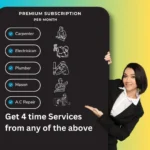 Premium Subscription
 Base Subscription
 Furniture
 Bed
Bed Kitchen
 Almirah and Wardrobe
 LCD Cabinet
 Verified Partner
 Earn Money
 AI & Data Science
 Business & Startup
 Cybersecurity & Cloud
 E-commerce & Sales
 Marketing & Growth
 Web/App Development
 AI Digital Marketing
 Certificate Assessment Test

 Register for Learning