
How to Create Viral Content with AI Prompts

Create viral content with AI prompts by combining strategic thinking with creative automation. Whether you’re writing social media posts, videos, blogs, or newsletters, the right AI prompt can help your content stand out and spark engagement.
This guide will show you how to turn prompt writing into a repeatable system for creating high-visibility content — no matter your niche.
What Makes Content Go Viral?
Before prompting AI, understand what typically drives virality:
- Emotional connection (humor, surprise, inspiration)
- Relatable storytelling
- Strong visuals and hooks
- Value-based content (tips, insights, how-tos)
- Timing and trend relevance
- High shareability and engagement triggers
Now let’s plug this into your prompt writing process.
1. Define Your Goal and Platform
Before writing a prompt, be clear about:
- The type of content (video, reel, tweet, blog)
- The platform (Instagram, LinkedIn, YouTube, X)
- The goal (engagement, shareability, comments, clicks)
Prompt Template:
“Create a [format] for [platform] that is designed to go viral. The topic is [insert topic]. Make it emotionally engaging and highly shareable.”
2. Craft Attention-Grabbing Hooks
Hooks are the entry point of your content. AI can help brainstorm them quickly.
Prompt Example:
“Write 5 viral hooks for a carousel post on productivity hacks for freelancers. Keep them curiosity-driven and punchy.”
Use variations and test which ones get the most engagement.
3. Use Trending Formats and Language
Ask ChatGPT to match the tone, format, and structure of currently trending content.
Prompt Example:
“Write a viral tweet thread on the habits of top creators using a bold and informal tone.”
Or:
“Give me 3 YouTube Shorts scripts using storytelling that leads to a punchline or lesson.”
4. Inject Emotion and Relatability
Content that makes people feel something gets shared. Ask AI to write with that in mind.
Prompt Example:
“Write an Instagram caption for a designer talking about burnout in a way that is raw, honest, and relatable.”
Emotion + relevance = engagement.
5. Repurpose High-Performing Ideas
Use ChatGPT to turn a blog, podcast, or video into 5–10 viral post ideas.
Prompt Example:
“Convert this blog [insert content] into 5 short-form video ideas with hooks, captions, and call-to-action.”
This lets you scale content without starting from scratch.
6. Add Data or Unexpected Insights
People love to share surprising stats or truths. Let AI surface those ideas.
Prompt Example:
“Create a tweet that shares a surprising stat about email marketing performance with a one-line insight.”
7. Include Strong CTAs
Don’t forget to include a call-to-action that boosts shares, comments, or saves.
Prompt Example:
“Rewrite this post with a CTA that encourages people to comment with their personal experience.”
8. Test Multiple Versions
AI makes it easy to A/B test ideas.
Prompt Example:
“Give me 3 variations of this video script with different emotional tones: one funny, one inspiring, one controversial.”
Use engagement data to identify your viral formula.
How to Build a Viral Content System
To consistently create viral content:
- Save your top-performing prompts
- Create platform-specific prompt templates
- Document what content structures work best
- Use ChatGPT to revise, repurpose, and remix
We teach this full system inside AI Prompt Mastery — where you’ll find tested viral prompt templates used by creators, marketers, and brand builders.
Final Thoughts
Once you learn how to create viral content with AI prompts, your content strategy becomes scalable, fast, and fun. You no longer start from scratch or guess what might work — you prompt with intention, test smarter, and grow faster.
Want access to done-for-you viral prompt templates?
→ Join AI Prompt Mastery and start using prompts to build reach and revenue.

 Subscription
 Performance Subscription
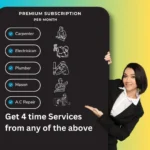 Premium Subscription
 Base Subscription
 Furniture
 Bed
Bed Kitchen
 Almirah and Wardrobe
 LCD Cabinet
 Verified Partner
 Earn Money
 AI & Data Science
 Business & Startup
 Cybersecurity & Cloud
 E-commerce & Sales
 Marketing & Growth
 Web/App Development
 AI Digital Marketing
 Certificate Assessment Test

 Register for Learning