
Best Python Practices for Clean Code

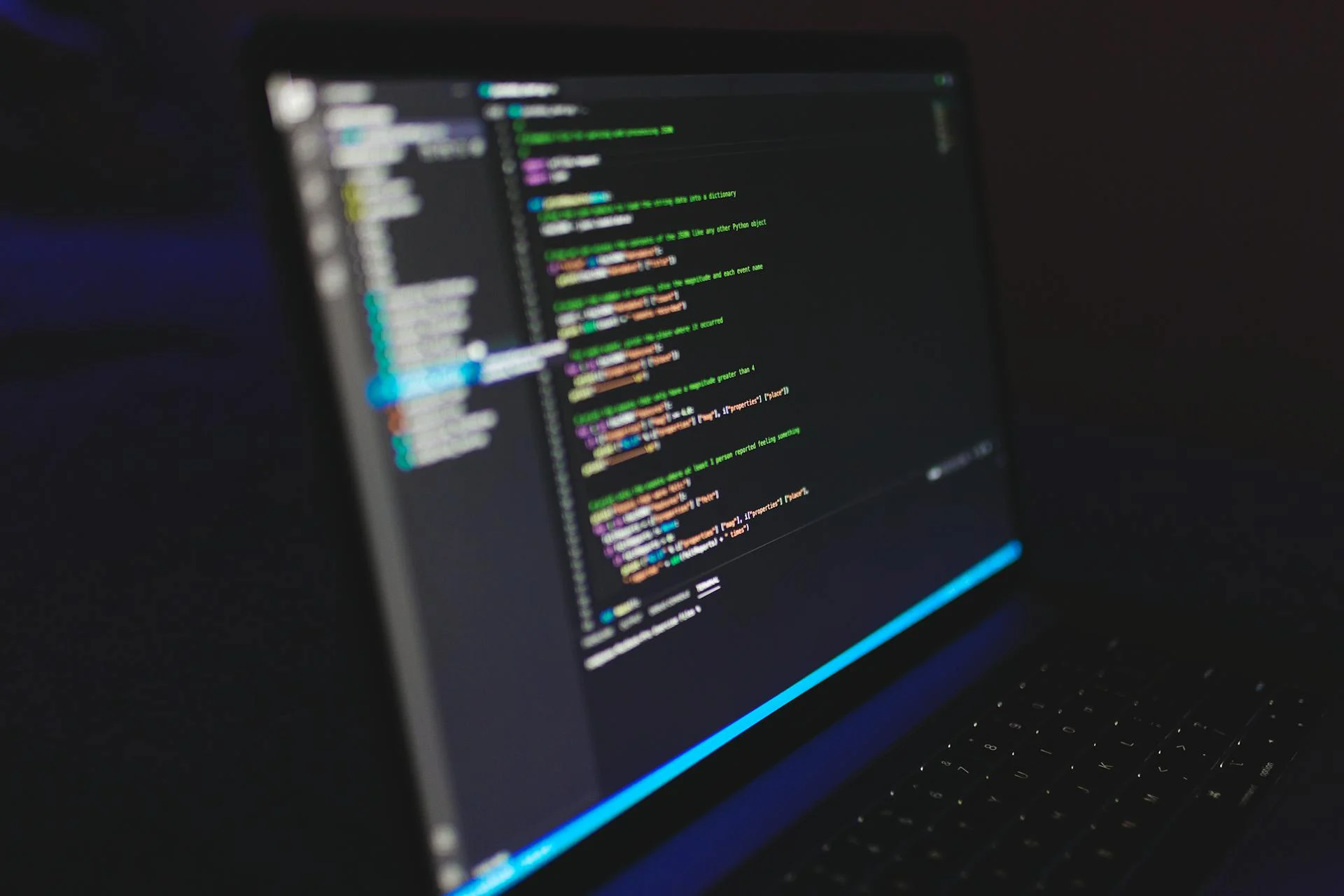
Writing clean and efficient Python code is essential for long-term maintainability, collaboration, and debugging. Whether you are a beginner or a professional developer, following best practices ensures your projects are scalable and professional. This guide combines industry standards with practical tips and also links to some of our most valuable tutorials on Bukkry to help you master Python the right way.
1. Follow the PEP 8 Guidelines
Python Enhancement Proposal 8 (PEP 8) is the style guide for Python code. It covers indentation, naming conventions, line length, and more. Consistency is key when writing Python code.
➤ Python Functions Explained with Examples
➤ Object-Oriented Programming in Python
2. Use Meaningful Variable and Function Names
Choose descriptive names that clearly indicate what the variable or function is meant for. Avoid using single letters or ambiguous terms. For example, instead of x = 500, use user_count = 500.
3. Keep Code DRY (Don’t Repeat Yourself)
Avoid duplicating code by creating reusable functions. This improves readability and reduces the chance of bugs.
➤ Learn Python in 30 Days Plan
➤ Learn Python with Real-Life Examples Easily
4. Use List Comprehensions
Python list comprehensions are a concise way to create lists and should be preferred over loops when appropriate.
➤ Python Tricks Every Developer Must Know
➤ Data Visualization with Python
5. Handle Errors Gracefully
Proper error handling prevents your program from crashing and helps users understand what went wrong.
➤ How to Handle Errors in Python
➤ Python Interview Questions for Freshers
6. Keep Your Code Modular
Break your code into modules and functions to improve organization and make debugging easier.
➤ File Handling in Python Made Simple
➤ Build a Calculator Using Python
7. Comment and Document Thoughtfully
Write meaningful comments that explain the logic, especially for complex functions. Avoid over-commenting obvious code.
➤ Python GUI Projects to Try in 2025
➤ Python Certification Benefits Explained
8. Use Virtual Environments
Always use virtual environments to manage dependencies in projects. It avoids version conflicts and keeps the development environment isolated.
➤ Python for Web Development Basics
➤ How to Work with APIs Using Python
9. Write Unit Tests
Testing is crucial to verify that your functions and modules perform as expected. Use unittest, pytest, or similar libraries.
➤ Python Automation Projects for Beginners 2025
➤ Best Python Practices for Clean Code
10. Keep Code Readable
Avoid writing overly compact code. Favor clarity over cleverness. Well-structured code should be understandable even months after writing.
➤ Learn Python with Real-Life Examples Easily
➤ Python Interview Questions for Freshers
Final Thoughts
Clean code isn’t just about aesthetics—it ensures long-term success and collaboration. Make these best practices part of your routine. Whether you’re working on a calculator, a GUI application, or even a web project, clean code will always set you apart.
Start refining your skills today by exploring our full collection of Python tutorials and courses.

 Subscription
 Performance Subscription
 Premium Subscription
 Base Subscription
 Furniture
 Bed
Bed Kitchen
 Almirah and Wardrobe
 LCD Cabinet
 Verified Partner
 Earn Money
 AI & Data Science
 Business & Startup
 Cybersecurity & Cloud
 E-commerce & Sales
 Marketing & Growth
 Web/App Development
 AI Digital Marketing
 Certificate Assessment Test

 Register for Learning