
WhatsApp Templates That Convert


WhatsApp templates that convert are one of the most powerful tools businesses can use to engage customers, drive actions, and boost revenue. A well-crafted WhatsApp Business API template ensures your messages look professional, remain compliant with WhatsApp’s rules, and deliver measurable results. Unlike generic chat messages, templates are pre-approved and structured to provide clarity, relevance, and personalization.
When you use WhatsApp templates effectively, they help you recover abandoned carts, send timely webinar reminders, track campaign performance, and maintain compliance with WhatsApp’s policies. Let’s explore how to build WhatsApp templates that convert and how they integrate with your overall business strategy.
Why WhatsApp Templates Matter
Businesses send thousands of messages daily, and without a consistent format, communication can easily get lost. Templates provide:
- Consistency: Ensures brand voice and clarity across customer touchpoints.
- Compliance: Keeps you aligned with WhatsApp Compliance Rules.
- Conversion Power: Increases open rates, engagement, and actions compared to traditional channels.
For example, if you’re running an e-commerce store, templates can help you recover abandoned carts via WhatsApp instantly. Instead of sending random follow-ups, you use structured, pre-approved messages that drive customers back to checkout.
Types of WhatsApp Templates That Convert
1. Promotional Templates
Promotional templates are designed to attract attention, showcase offers, and boost sales. Example: announcing discounts, seasonal campaigns, or product launches.
- Clear call-to-action (CTA)
- Short and engaging copy
- Optional media attachments like product images
Promotional templates are excellent for measuring results when you track WhatsApp campaigns.
2. Transactional Templates
These templates are focused on customer updates, like order confirmations, shipping notifications, and payment receipts. They build trust by keeping customers informed at every stage of their journey.
3. Reminder Templates
Whether it’s for events, renewals, or webinars, reminder templates prevent missed opportunities. For instance, you can use WhatsApp for webinar reminders to ensure maximum attendance.
4. Support Templates
Customer queries and support requests can be handled faster with structured templates. For instance, automated acknowledgment messages or status updates can ease customer frustration.
Best Practices for WhatsApp Templates
1. Keep It Short and Action-Oriented
A WhatsApp message should deliver the core value within the first two lines. Avoid long text blocks; instead, use concise sentences with a clear next step.
2. Personalize Whenever Possible
Templates that use placeholders like {{customer_name}} or {{order_id}} create a more human connection. Customers are far more likely to respond when they feel the message is meant for them.
3. Always Add a Strong CTA
Every template should include a call-to-action button like Shop Now, Confirm Attendance, or Track Order. These CTAs directly impact conversions.
4. Test and Optimize Regularly
The beauty of WhatsApp templates lies in their adaptability. You can create variations, test response rates, and optimize for better results over time.
Example WhatsApp Templates That Convert
Here are some examples of high-converting templates:
Cart Recovery Template
“Hi {{customer_name}}, you left something in your cart. Complete your order now and enjoy free shipping! [Checkout Now].”
Webinar Reminder Template
“Hello {{name}}, your webinar on Digital Marketing Trends starts in 1 hour. Click here to join: [Join Now].”
Promotional Offer Template
“Exclusive Offer! Get 20% off your next purchase. Limited time only. [Shop Now].”
Support Template
“Hi {{name}}, we have received your request regarding {{issue}}. Our team will update you shortly.”
Each of these aligns with the use cases covered in guides like WhatsApp Compliance Rules and Integrate CRM with WhatsApp.
Benefits of Using WhatsApp Templates
- Higher Engagement – Compared to email, WhatsApp messages have up to 98% open rates.
- Faster Conversions – Direct links and CTAs reduce friction in the customer journey.
- Improved Customer Experience – Proactive communication builds trust.
- Scalability – Templates make it easier to handle thousands of conversations without losing quality.
- Data-Driven Decisions – By tracking WhatsApp campaigns, you understand which templates drive results.
Common Mistakes to Avoid
- Overloading customers with too many messages.
- Using templates that are too generic or sales-heavy.
- Ignoring compliance rules, which can lead to account suspension.
- Forgetting to add personalization, which makes the message look robotic.
How to Start Using WhatsApp Templates That Convert
- Define Your Goal – Is it abandoned cart recovery, event reminders, or promotions?
- Choose the Right Template Type – Match your goal with the appropriate category.
- Integrate With CRM – Using a CRM integration, as explained in integrate CRM with WhatsApp, helps automate and personalize messages.
- Measure and Optimize – Use insights from campaign tracking to improve results.
Final Thoughts
WhatsApp templates that convert are not just about sending messages; they’re about sending the right message at the right time. With proper personalization, clear CTAs, and compliance, templates become one of the most effective tools in digital communication.
By aligning them with strategies like recovering abandoned carts via WhatsApp, using WhatsApp for webinar reminders, and tracking WhatsApp campaigns, you can maximize conversions and build stronger customer relationships.

 Subscription
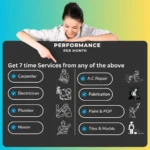 Performance Subscription
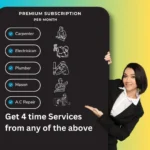 Premium Subscription
 Base Subscription
 Furniture
 Bed
Bed Kitchen
 Almirah and Wardrobe
 LCD Cabinet
 Verified Partner
 Earn Money
 AI & Data Science
 Business & Startup
 Cybersecurity & Cloud
 E-commerce & Sales
 Marketing & Growth
 Web/App Development
 AI Digital Marketing
 Certificate Assessment Test

 Register for Learning