
Python Coding Tips for Freshers

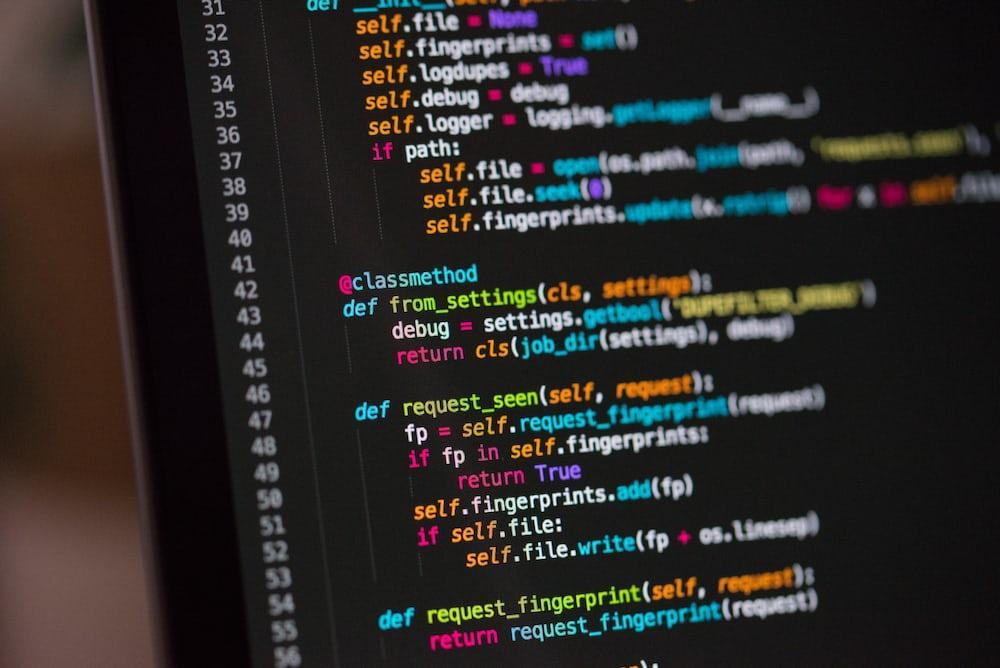
Python Coding Tips for Freshers are essential for anyone beginning their journey in programming. Python is one of the most beginner-friendly and widely used languages in the world. From simple scripts to advanced data science applications, it powers countless platforms. If you’re just starting, these tips will help you avoid common pitfalls and get on the path to writing clean, efficient code.
1. Start with the Right Installation
Before diving into writing code, make sure Python is correctly installed on your machine. Whether you’re on Windows, macOS, or Linux, having the latest version matters. For step-by-step help, check our guide on How to Install Python Step-by-Step. This guide ensures your setup is clean, reducing potential errors in future projects.
2. Understand Python Basics First
It’s tempting to jump into exciting projects, but a strong foundation is key. Spend time mastering Python fundamentals: variables, data types, loops, and functions. Our guide on What is Python? A Beginner’s Guide will help you build that base in simple language.
Also, when you’re comfortable, try How to Use Loops in Python Easily. It makes one of Python’s most useful tools super easy to grasp.
3. Choose Projects that Match Your Skill Level
When you’re starting, it’s easy to get overwhelmed. Begin with small, meaningful projects to build confidence. Our article Python Projects for Beginners in 2025 offers a hand-picked list of ideas that are perfect for freshers.
By working on basic real-world projects, you reinforce your learning and gradually level up your skills.
4. Practice with Real Use Cases
Don’t just copy code from tutorials—try tweaking it. Add your own logic, break things, and fix them. One of the best ways to improve is to explore Python in practical domains.
If you’re eyeing data roles, start with Python for Data Science: Where to Start. It guides you on how Python plays a major role in handling, analyzing, and visualizing data.
5. Learn the Key Python Libraries
Python has a strong ecosystem of libraries. As a beginner, start with the basics: NumPy, Pandas, and Matplotlib. These are easy to get started with and extremely powerful.
Explore our curated list of Top Python Libraries You Should Learn to save time and focus on the tools that matter most in 2025.
6. Stick to One Language First
You may hear about JavaScript, C++, or other languages. But don’t get distracted. Stick to Python until you’re confident. Our comparison article Python vs JavaScript: Which to Learn? can help you understand the difference and why Python is ideal for freshers.
7. Keep Your Code Clean
Use proper indentation, clear variable names, and comments to explain your logic. Clean code helps you understand your work and also helps others (or your future self) if you revisit it later.
A good habit is writing comments to explain what each block of code does. Avoid one-letter variables and make your code readable from day one.
8. Use Online Platforms for Practice
Websites like HackerRank, LeetCode, and Replit offer free Python practice. You can also use IDEs like VS Code or Jupyter Notebook to practice coding in an interactive way.
9. Learn Debugging Skills
Errors are part of learning. Instead of getting frustrated, learn to read error messages carefully. Google the error or check Stack Overflow—it’s normal and expected.
Most problems can be solved by breaking the code into smaller parts and testing each one. Try using print() statements to debug step-by-step.
10. Invest in the Right Learning Resource
There are endless free resources, but nothing replaces a structured and practical course. If you’re serious about mastering Python, consider enrolling in the Python Programming Mastery course.
This beginner-friendly course covers everything from the basics to practical projects. You’ll gain hands-on skills, real-world experience, and guidance that you won’t find in scattered tutorials.
Final Thoughts
Python Coding Tips for Freshers aren’t just about writing code—they’re about developing a mindset. Be patient, stay curious, and build gradually. Refer to trustworthy guides, work on small projects, and never hesitate to ask questions or revisit topics.
If you’re serious about your programming journey, don’t just learn—master it. Enroll in the Python Programming Mastery course and start building your future in tech with confidence.

 Subscription
 Performance Subscription
 Premium Subscription
 Base Subscription
 Furniture
 Bed
Bed Kitchen
 Almirah and Wardrobe
 LCD Cabinet
 Verified Partner
 Earn Money
 AI & Data Science
 Business & Startup
 Cybersecurity & Cloud
 E-commerce & Sales
 Marketing & Growth
 Web/App Development
 AI Digital Marketing
 Certificate Assessment Test
 Register for Learning